Bruxism
Teeth grinding and jaw clenching that can cause pain, headaches, and tooth damage.
About Bruxism
Bruxism, or teeth grinding, is a common condition that can cause jaw pain, headaches, and even tooth damage. Botox, a neuromodulator, can be an effective treatment for bruxism by relaxing the muscles involved in this habit.
How Anti-Wrinkle Injections Work for Bruxism:
- Muscle Relaxation: Injections are administered to the masseter muscles, located in the jaw. By temporarily relaxing these muscles, the toxin can reduce the force with which the teeth are clenched together.
- Reduced Grinding: This relaxation can significantly reduce or even eliminate teeth grinding, providing relief from associated symptoms.
Benefits of toxin:
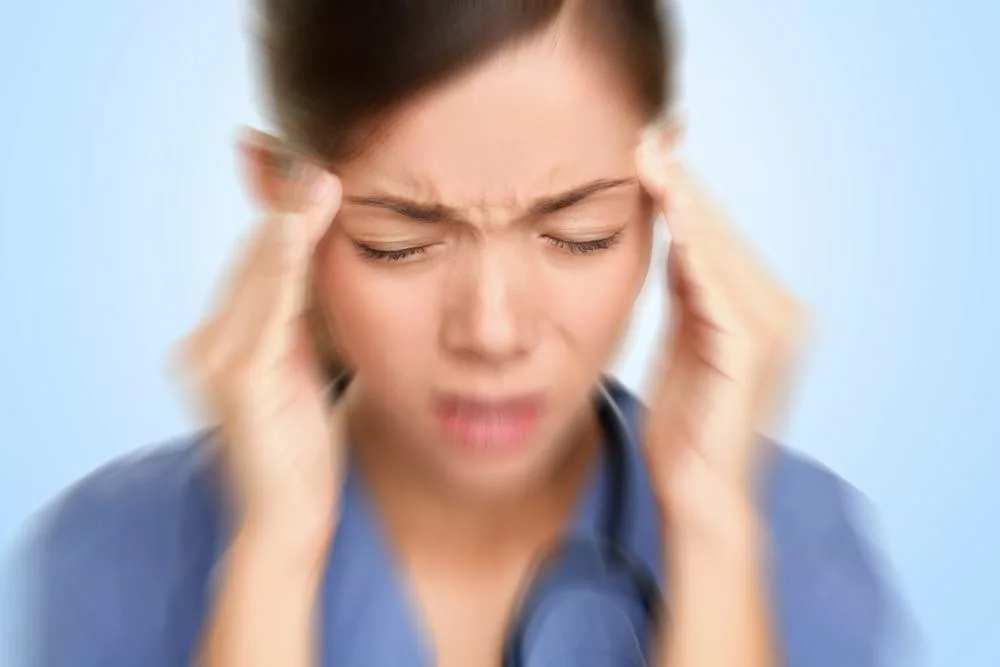
- Pain Relief: Botox can alleviate jaw pain, headaches, and facial tension associated with bruxism.
- Improved Sleep: Teeth grinding can disrupt sleep, leading to fatigue and other health problems. Botox can help improve sleep quality.
- Preservation of Teeth: By reducing the force of teeth grinding, Botox can help prevent tooth damage and wear.
- Minimal Downtime: Botox injections are a minimally invasive procedure with minimal downtime, allowing you to resume your normal activities quickly.
Is Toxin Right for You?
If you suffer from bruxism and have tried other treatments without success, toxin may be a suitable option. A qualified medical professional can assess your condition and determine if toxin is appropriate for you.
Buccal Massage :
Buccal massage is a therapeutic technique that targets the jaw muscles inside the mouth. It helps alleviate tension caused by bruxism, reducing pain and discomfort. By improving muscle relaxation, it can enhance jaw mobility and promote overall relief from grinding-related symptoms.
Professional Treatments
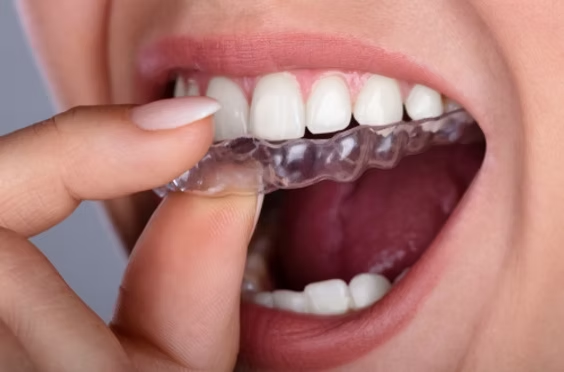
Mouthguards, also known as bite guards or night guards, are custom-made dental devices designed to protect teeth from the damage caused by bruxism. They act as a barrier between the upper and lower teeth, preventing them from grinding together.
Types of Mouthguards for Bruxism:
- Hard Mouthguards: These are made of a firm material, such as acrylic, and provide the most protection against tooth wear.
- Soft Mouthguards: Made of a softer material, these are more comfortable but may not offer as much protection as hard mouthguards.
- Hybrid Mouthguards: These combine features of both hard and soft mouthguards, offering a balance of comfort and protection.
Benefits of Mouthguards for Bruxism
- Tooth Protection: Prevent wear and tear on teeth, including chipping, cracking, and grinding.
- Pain Relief: Reduce jaw pain, headaches, and facial tension associated with bruxism.
- Improved Sleep: Help to disrupt the sleep cycle less, leading to better rest.
- Temporomandibular Joint (TMJ) Relief: Can alleviate symptoms of TMJ disorder.
How to Get a Mouthguard
- To get a custom-fitted mouthguard, you’ll need to consult with one of our dentists. They will take an impression of your teeth to create a device that fits properly and provides optimal protection.




Ready to Enhance Your Natural Beauty?
Contact us to schedule a consultation and discover how we can help you.
Request A Consultation
07718207870
77 Harley Street, London, W1G 8QN