Hyperpigmentation
A common skin condition characterised by dark patches caused by excess melanin production, often triggered by factors like sun exposure, hormonal changes, and inflammation."
About Hyperpigmentation
Hyperpigmentation is a common skin condition where patches of skin become darker than the surrounding areas. This darkening occurs when there is an overproduction of melanin, the pigment responsible for skin colour.
Causes of Hyperpigmentation:
Several factors can trigger hyperpigmentation:
- Sun Exposure: This is the most common cause. UV radiation stimulates melanin production to protect the skin, leading to sunspots (solar lentigines) and worsening other types of hyperpigmentation.
- Hormonal Changes: Fluctuations in hormones, particularly in women during pregnancy (melasma or “mask of pregnancy”) or while taking birth control pills, can cause hyperpigmentation.
- Post-Inflammatory Hyperpigmentation (PIH): This occurs after skin injury or inflammation, such as acne, eczema, psoriasis, burns, or cuts. The skin produces excess melanin as it heals, resulting in dark spots.
- Age: As skin ages, melanocyte (melanin-producing cell) distribution can become less even, leading to age spots.
- Genetics: A predisposition to certain types of hyperpigmentation, like freckles, can be inherited.
- Medications: Some drugs, such as certain antibiotics, nonsteroidal anti-inflammatory drugs (NSAIDs), and antimalarials, can cause hyperpigmentation.
- Medical Conditions: Certain medical conditions, such as Addison’s disease and hemochromatosis, can lead to widespread hyperpigmentation.
Skin Irritation: Harsh skincare products or treatments can sometimes trigger hyperpigmentation.
Types of Hyperpigmentation:
There are several distinct types of hyperpigmentation:
- Sunspots (Solar Lentigines): Flat, brown or black spots that appear on areas exposed to the sun, such as the face, hands, and chest. They are more common in older adults.
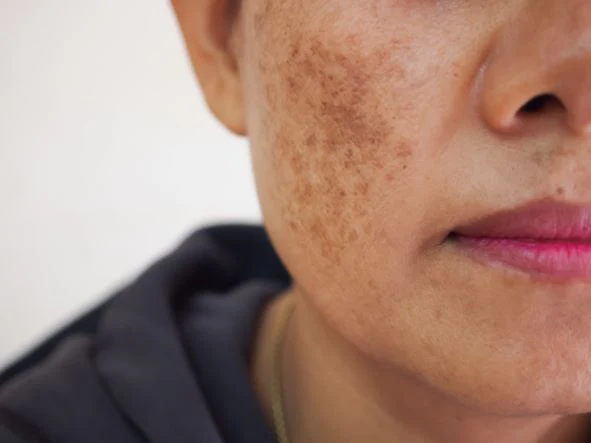
- Melasma (Chloasma): Larger patches of darkened skin, often appearing on the face (cheeks, forehead, upper lip, chin). It’s commonly associated with hormonal changes, especially in women.
- Post-Inflammatory Hyperpigmentation (PIH): Dark spots or patches that remain after skin inflammation or injury has subsided. The colour can range from pink or red to brown or black, depending on skin tone and the depth of the inflammation.
Freckles (Ephelides): Small, flat, tan or light brown spots that are often more prominent in the summer due to sun exposure. They are more common in people with fair skin and are largely determined by genetics.
Aesthetic Treatment Solutions
Various aesthetic treatments can help reduce the appearance of hyperpigmentation. It’s important to note that consistency and sun protection are crucial for the success of any treatment.
Topical Treatments:
- Hydroquinone: A potent skin-lightening agent that reduces melanin production. It’s often available by prescription.
- Retinoids: These vitamin A derivatives (like tretinoin, adapalene, and retinol) increase skin cell turnover, helping to fade dark spots and improve overall skin tone.
- Vitamin C (Ascorbic Acid): A powerful antioxidant that can brighten the skin and inhibit melanin production.
- Alpha Hydroxy Acids (AHAs) and Beta Hydroxy Acids (BHAs): These exfoliants (like glycolic, lactic, and salicylic acid) remove the top layer of dead skin cells, revealing brighter skin and improving the penetration of other lightening agents.
- Azelaic Acid: This acid helps reduce inflammation and melanin production, making it effective for PIH and melasma.
- Kojic Acid: A natural skin-lightening agent that inhibits melanin production.
- Niacinamide: A form of vitamin B3 that can help reduce hyperpigmentation and improve skin barrier function.
Professional Treatments

Cosmelan Treatment
Cosmelan is the world’s leading professional pigmentation removal method, suitable for all forms...

ZO Skin Health Peels
ZO® Skin Health Peels offer effective, customizable treatments to improve the health...
Perfect Peel
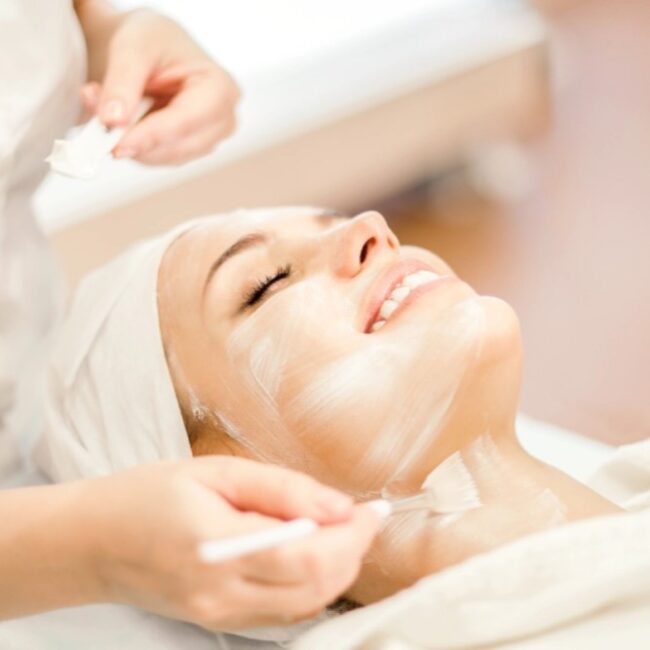
It is a medical grade, medium-depth chemical peel that is safe and effective for All Skin Types...

Microneedling Treatment
Microneedling is a minimally invasive cosmetic procedure that involves puncturing the skin with tiny...
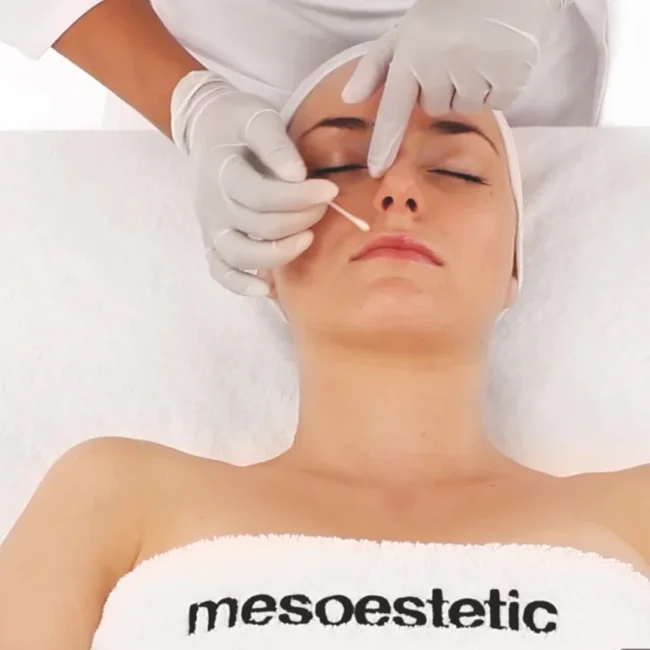
Mesopeel Treatment
A mesopeel is a pharmaceutical-grade chemical peel designed to accelerate skin regeneration...

Prevention is Key
Preventing hyperpigmentation is often easier than treating it:
- Sun Protection: Consistent daily use of a broad-spectrum sunscreen with an SPF of 30 or higher is crucial, even on cloudy days. Reapply every two hours when outdoors. Consider using tinted sunscreens containing iron oxide, which can also help protect against visible light that can worsen some types of hyperpigmentation.
- Avoid Excessive Sun Exposure: Limit time spent in direct sunlight, especially during peak hours (10 a.m. to 4 p.m.). Wear protective clothing, such as wide-brimmed hats and sunglasses.
- Avoid Picking or Scrubbing Skin: Prevent post-inflammatory hyperpigmentation by avoiding picking at acne, scabs, or other skin irritations. Use gentle skincare products and avoid harsh scrubs.
- Manage Hormonal Influences: If hormonal changes are contributing to hyperpigmentation, discuss management options with a healthcare professional.
Ready to Enhance Your Natural Beauty?
Contact us to schedule a consultation and discover how we can help you.
Request A Consultation
07718207870
77 Harley Street, London, W1G 8QN